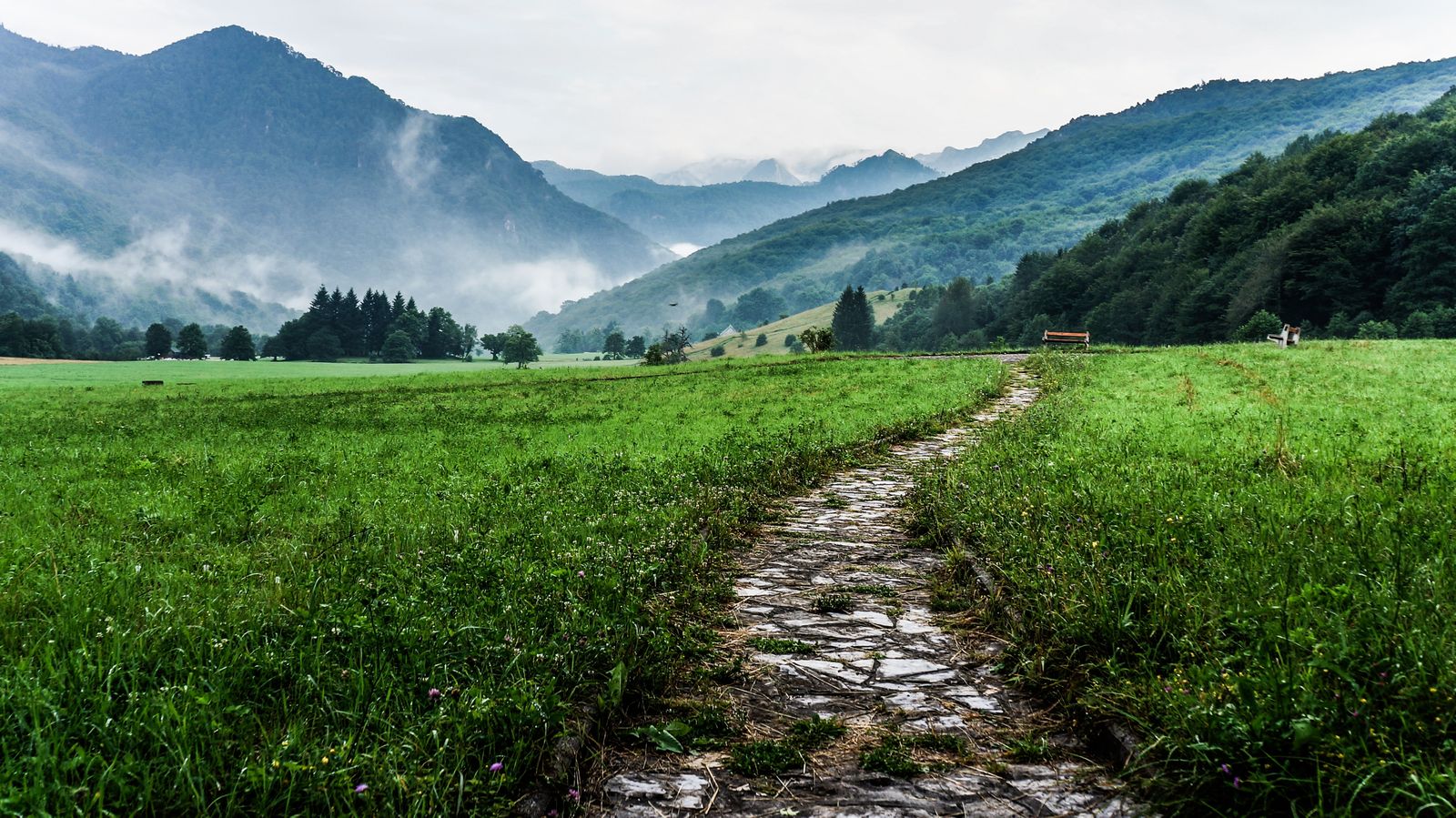
I’ve been reminiscing about Bosnia lately. I visited there in June to see friends. Then, the other day, I was in Bowling Green, Kentucky, at an authentic Bosnian restaurant. And now that it’s full-on fall, my wardrobe has turned dark and monochrome—so characteristic of Bosnia. In Bosnia, my dark attire was right at home. But now that I’m back in the promised land of colorful costumes, I’ve noticed that my blackish clothes don’t blend in the way they did in Bosnia and Europe. And as an introvert, I like to blend in. My simple, unadorned style fit nicely with the clothing customs in Bosnia. It also aligned nicely with the fundamental axiom of cross-cultural ministry, which is to identify with local cultural norms when appropriate. I once picked up a young American kid at the Sarajevo train station while dressed in my usual black outfit. He told me I was “stylin’.” I looked like every other adult male in the vicinity.
Don’t get me wrong—I have nothing against brightly colored clothes. In fact, I own one very colorful African shirt given to me as a gift when I visited Sierra Leone a few years ago. I wore it once. While in Sierra Leone. I wore it again to an African church conference last summer and even got some compliments, which was encouraging. For now, adaptive progress means adding a blue shirt or two to my collection of charcoal and black ones. My wife says they’re all the same—like a uniform. That’s partly true. But I’d say they’re similar, just different shades. Baby steps.
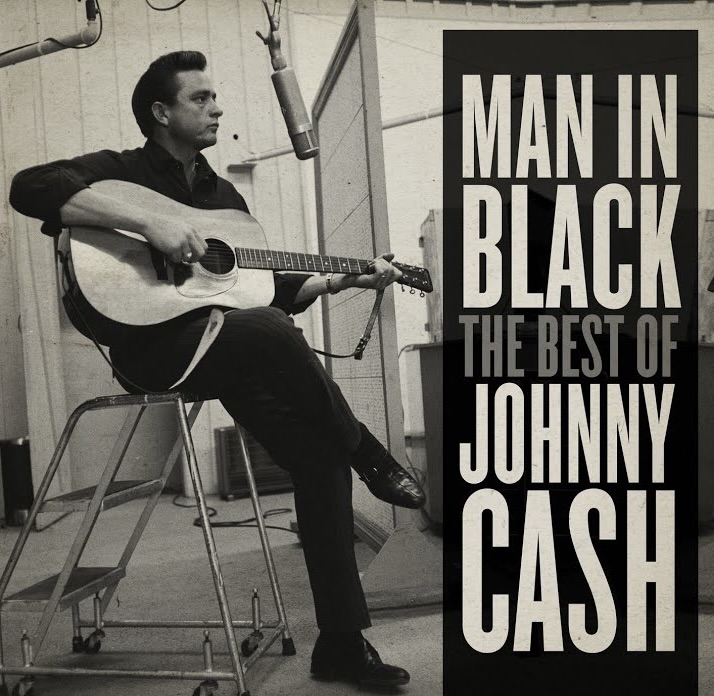
Still, an unvaried wardrobe of dark clothes is also super practical. It makes life easier by streamlining the decision-making process of what to wear each day. And if it was good enough for Johnny Cash, then it’s good enough for me.
In addition to being partial to dark tones, Bosnia taught me a certain appreciation for one’s appearance in public. I don’t mean to sound judgy, but as a generalization, adult Bosnians are intentional about dressing neatly whenever they leave the house—more so than the average North American. And while I want to fit in now that I live here, I can’t quite bring myself to wear baggy sweatpants in public, not even to the Dollar General, let alone to meet someone for coffee or lunch.
I can just barely, on occasion, wear shorts in public in the heat of summer. And I’m baffled that American men seem happy to wear kind of short shorts anywhere, anytime. I was reminded of this Sunday when men, young and old, wore shorts to church, even in the cold Kentucky rain. I recall entering a professional office last summer and being approached by a young executive type wearing shorts and a quilted vest—presumably to keep the rest of his body warm against the icy air conditioning. It’s just a weirdly informal look for certain settings. Not to mention that there are way too many legs out there that are better covered.
I realize these are the conventions of culture and temporary fashion trends. But I can still hear our friend, language teacher, and culture maven, Amra, telling us what is fitting and proper behavior in Sarajevo city culture. One should never walk while smoking a cigarette. It’s so “nekulturno” (uncultured). The same goes for walking and eating. And under no circumstances should you wear casual sports clothing in public unless you are actually playing sports. That was over twenty-five years ago. To this day, I commit none of these offenses.
Thanks in part to Amra and Bosnia, I’ll always have this residual sense of decorum regarding my appearance in public. Call me vain, but I just can’t shake it. Though I’m committed to making adjustments to fit in better, you’ll never see me in baggy sweats at the corner café, shorts and sandals at the grocery store when it’s snowing, or pajamas at Walmart. Amra would be appalled. On the other hand, she would be pleased that I never smoke or eat while walking in public!